
Velnaro Journal / Urban Cycling
How to Build the Ideal Urban Cycling Setup for Your Lifestyle
The ideal city cycling setup is not the one with the most equipment. It is the one shaped around your route, your schedule, what you carry and the way you actually move through everyday life.
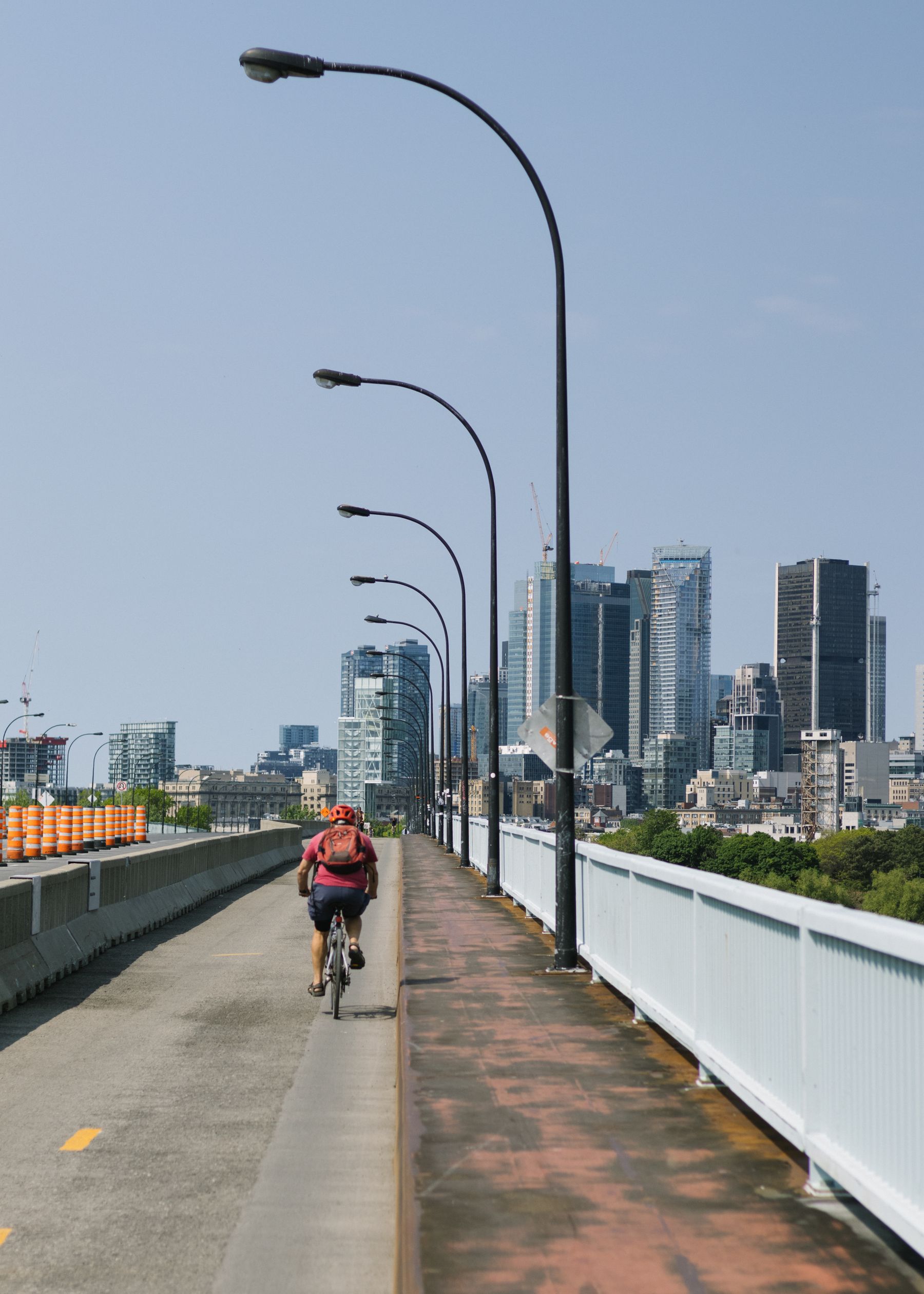 Built Around Your Ride
A great urban bike setup starts with a simple question: what does your bicycle need to help you do?
One rider may need a lightweight bicycle that can be carried upstairs. Another may need dependable storage for a laptop and groceries. Someone riding a short, flat route has different priorities from a commuter covering longer distances, climbing hills or combining cycling with public transport.
That is why building an urban setup should begin with your real routine rather than a list of fashionable accessories. Consider the roads you use, where the bicycle will be stored, how often you ride after dark, the weather you encounter and what normally travels with you. Once those needs are clear, every equipment decision becomes easier.
VELNARO / BUILD WITH PURPOSE
Your bike should adapt to your lifestyle—not ask your lifestyle to adapt to it.
Urban cycling works best when the bicycle quietly solves everyday problems. Comfort, carrying capacity, visibility, security and reliability should support the way you already live and move.
Build around the journeys you make most often.
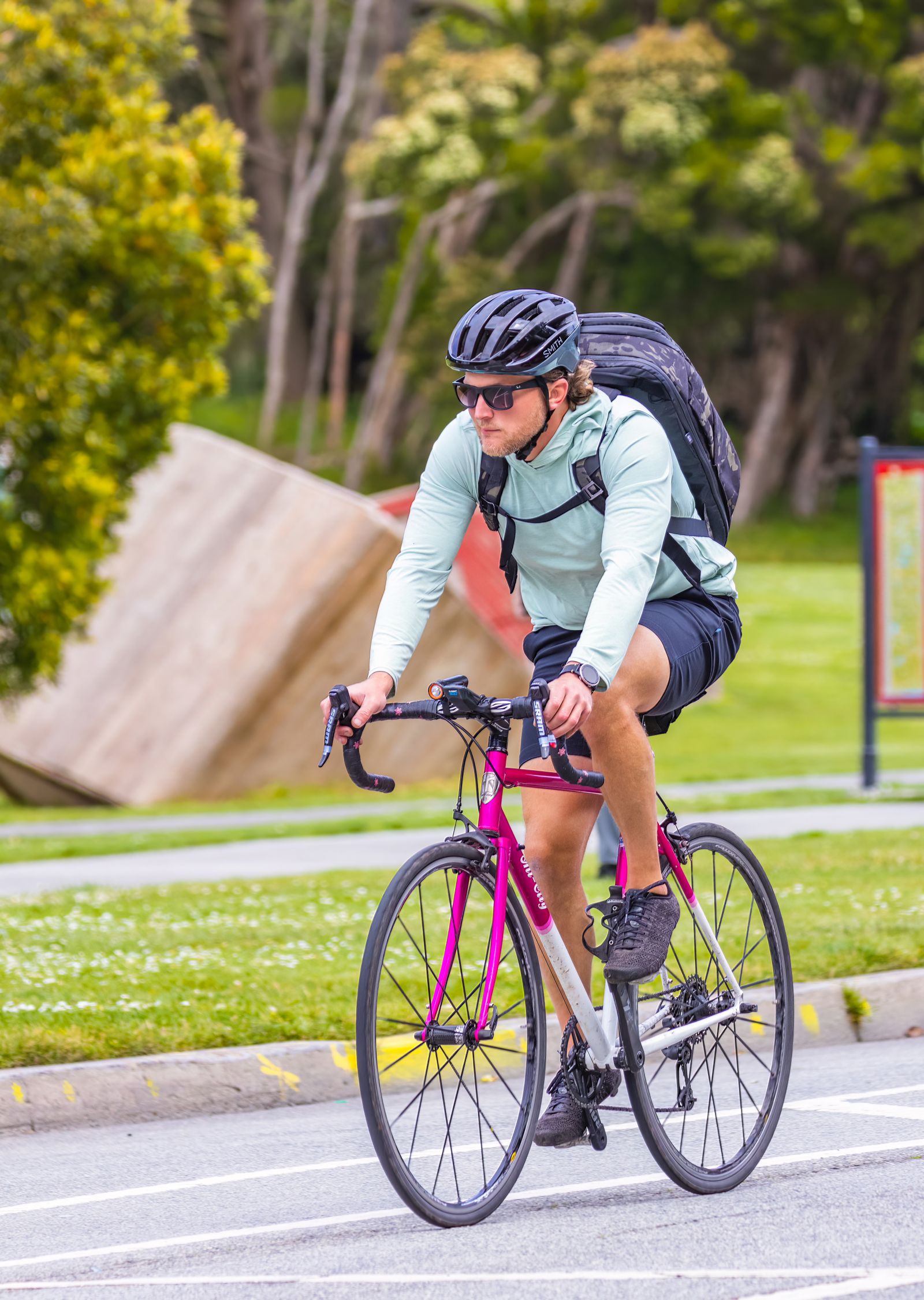
Your Personal Brief
Let your daily routine decide what belongs on the bike.
Before upgrading anything, think about your most common ride. A practical setup is easier to build when you know which problems you are trying to solve.
Get the essentials right before adding anything extra.
A position you can enjoy every day.
Saddle height, reach, handlebar position and grips have a greater influence on everyday comfort than many accessories. The bike should feel natural at the distances and speeds you normally ride.
Make seeing and being seen part of the setup.
Front and rear lights are especially useful when commuting around dawn, dusk, poor weather or darkness. Reflective details can add another layer of visibility without complicating the bike.
Match your lock to where you leave the bike.
A quick café stop and an all-day city-center lockup present different security needs. Think about location, duration and whether wheels or other removable components also need securing.
Prepare for the conditions you actually encounter.
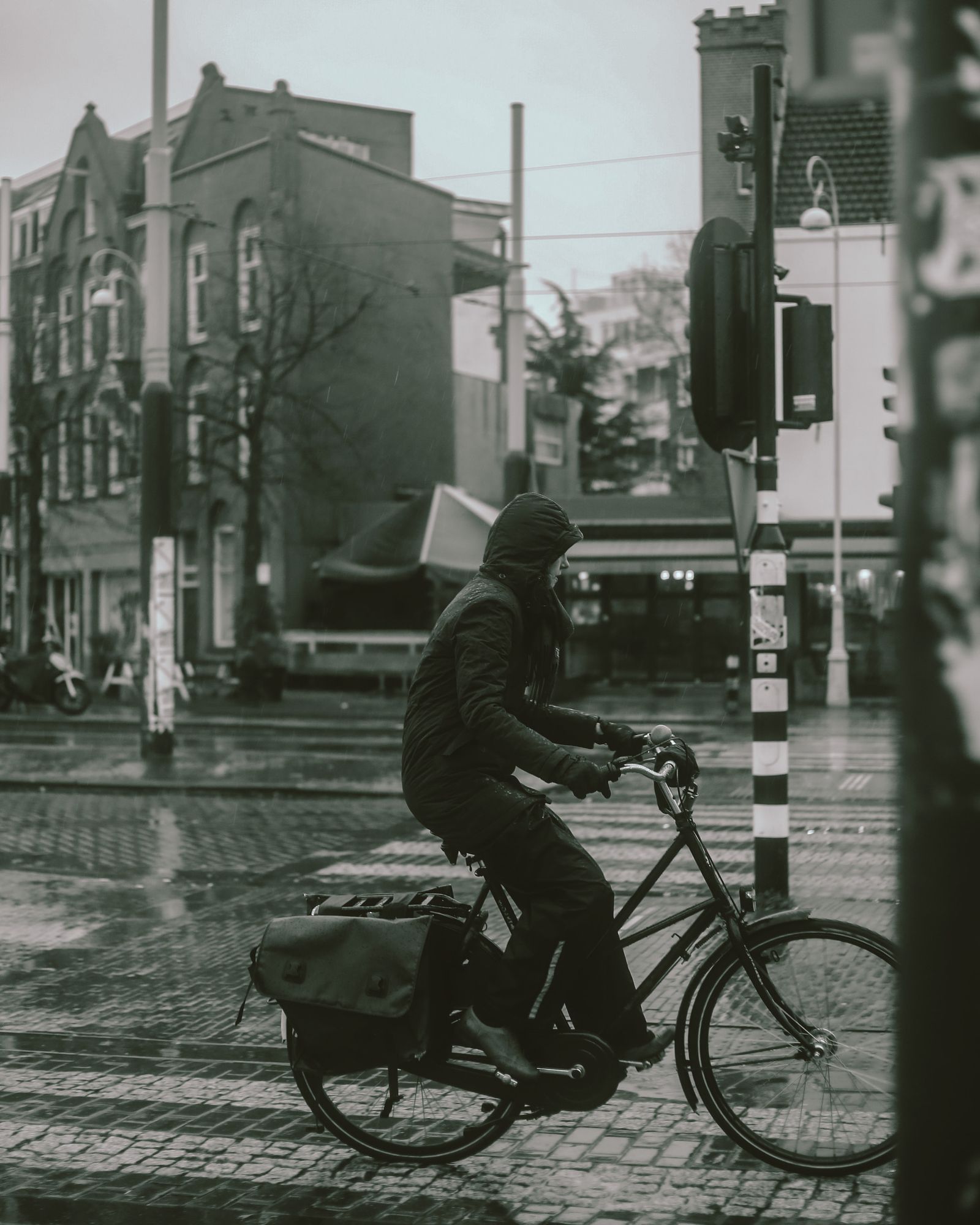
Fenders, suitable tires, weather-resistant storage and practical layers can make a bicycle much easier to use consistently when the forecast is less than perfect.
04 / Carry Without Compromise
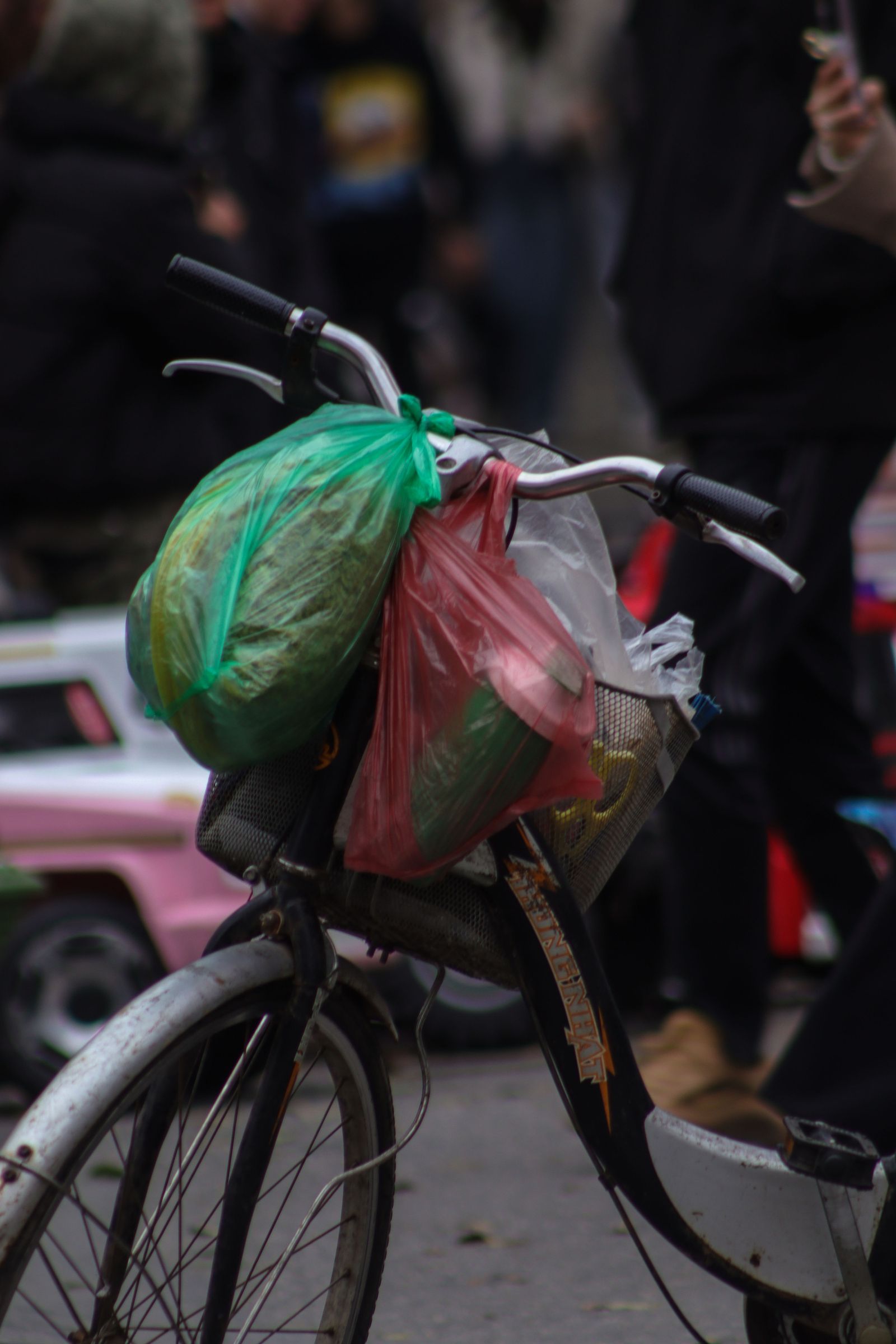
Give everything you carry a sensible place on the bike.
Carrying capacity can transform an urban bicycle from something used for occasional rides into genuine everyday transportation. The right solution depends on both load size and how frequently you need to remove it.
Small essentials may fit comfortably in a saddle, frame or handlebar bag. Work equipment, shopping and heavier loads may be better suited to a rear rack and pannier system. The goal is not maximum capacity—it is convenient capacity.
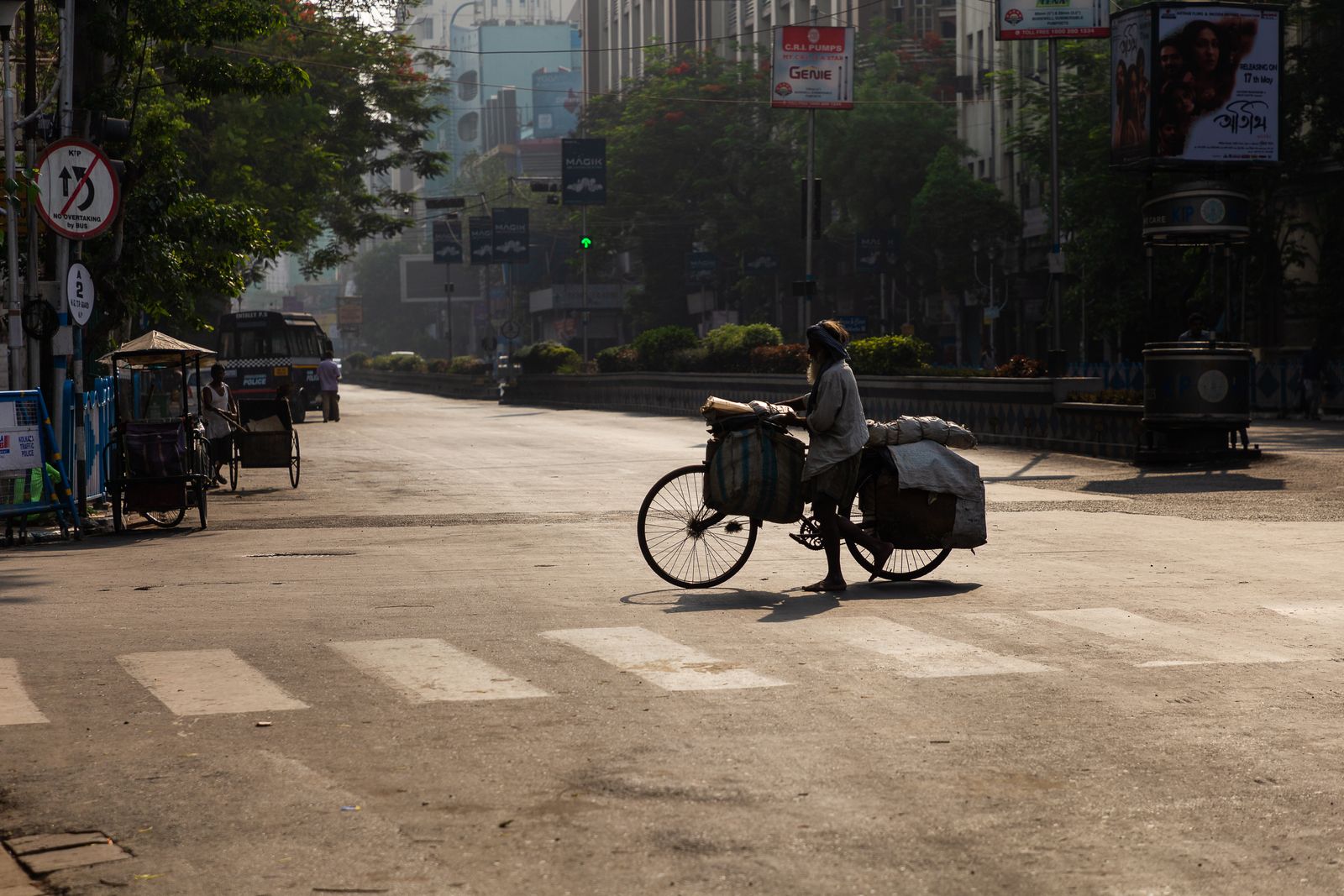
05 / Useful Technology
Add technology only when it makes the ride simpler.
A secure phone mount can make navigation easier when exploring unfamiliar streets, while rechargeable lights and compact electronic pumps can reduce some of the friction around everyday riding. Technology should earn its place by solving a recurring need.
Different lifestyles naturally create different urban setups.
The Short-Distance Rider
Ideal for relatively short trips, errands and riders who value a clean, uncomplicated bicycle.
- Comfortable everyday bike
- Front and rear lights
- Reliable lock
- Compact saddle or frame bag
- Small repair essentials
The Everyday Commuter
Built around regular work or school journeys where carrying, weather and reliability matter.
- Comfort-focused contact points
- Rack and pannier system
- Fenders for wet conditions
- Strong security setup
- Rechargeable lighting
The Urban Explorer
Designed for commuting, longer city rides, weekend movement and changing routes.
- Versatile gearing
- Flexible carrying options
- Navigation mount
- Weather-ready equipment
- Expanded repair kit
07 / Keep It Ready
A reliable urban setup is one you can depend on tomorrow morning.
Equipment only helps when it works. Simple routine care can prevent small issues from turning into inconvenient interruptions. You do not need a professional workshop to handle basic checks, but you should know when a job is beyond your experience.
Before you call your setup complete, test it in real life.
The first version does not have to be the final version. Ride your normal routes, notice what you actually use and change the setup gradually. The most refined commuter bikes often become that way through small adjustments rather than one large purchase.
Comfort
Can you complete your normal journey without persistent discomfort or awkward positioning?
Carry
Is there enough secure, convenient space for what you genuinely take with you?
Confidence
Do your lighting, security and repair essentials suit the conditions in which you ride?
Simplicity
Can you get the bike ready quickly enough that cycling remains an easy choice?
The ideal setup is personal, practical and ready for the way you move.
There is no universal urban cycling setup because there is no universal urban lifestyle. The rider carrying a laptop five days a week needs something different from the rider making short neighborhood trips or combining a folding bike with public transport.
Start with your routine, solve the most important needs first and add equipment only when it improves comfort, carrying, visibility, security or reliability. When everything has a purpose, the bicycle becomes easier to live with—and easier to choose every day.