
Velnaro Journal / Urban Cycling Guide
The Complete Guide to Smarter, Safer and Better Urban Cycling
Better city riding is rarely about one piece of equipment. It comes from combining a bicycle that suits your life with thoughtful route choices, dependable safety gear, practical carrying solutions and simple habits that make every ride easier to repeat.
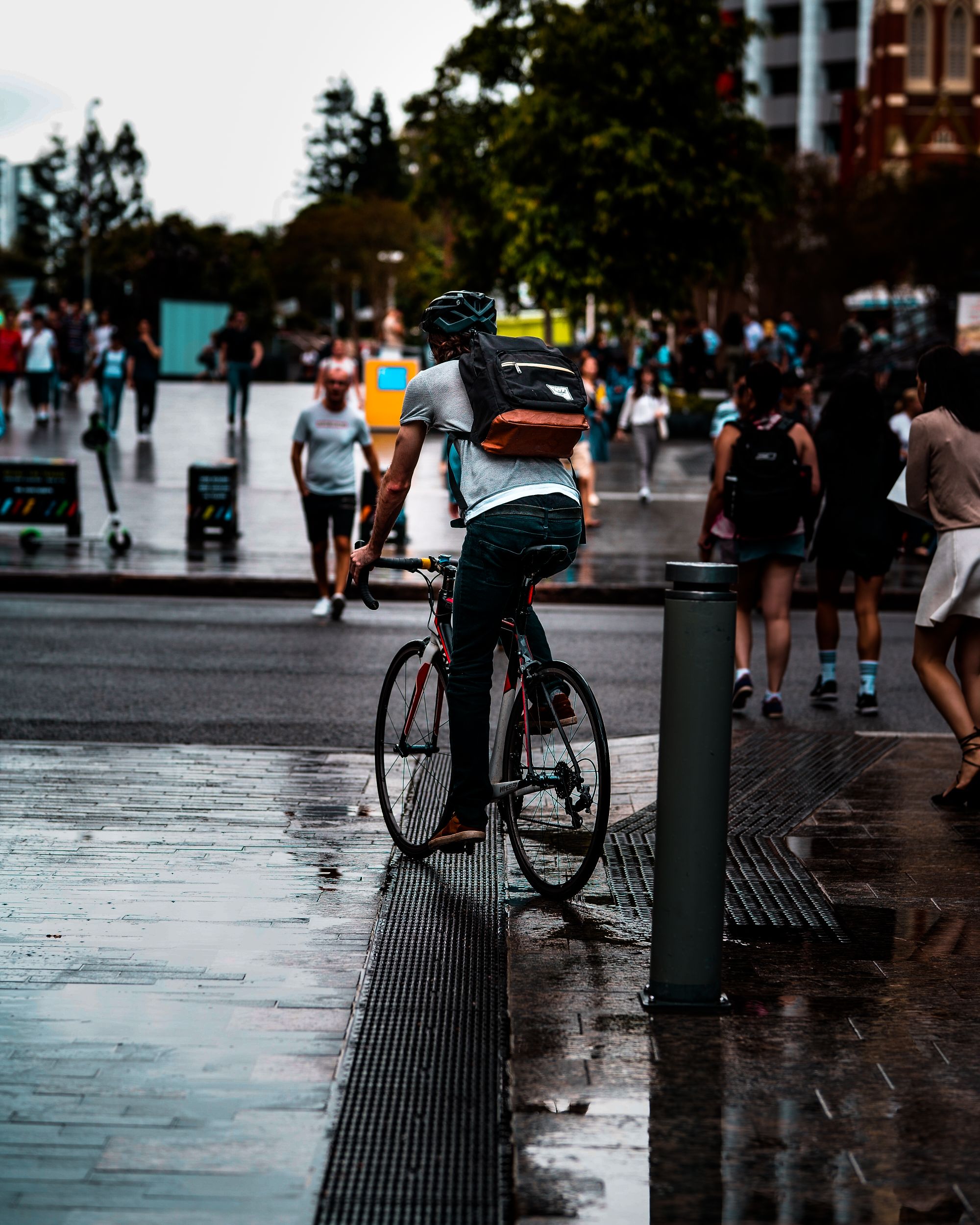 Ride Smarter / Move Better
The best urban cycling setup is not the most complicated one. It is the one that removes friction from the journeys you actually make.
City riding brings together many different demands. You may need to move efficiently through traffic, carry work equipment, secure the bicycle at your destination, adapt to changing weather and arrive feeling comfortable enough to continue with the rest of your day.
The smarter approach is to build around those realities. Start with your routes and routine, then choose equipment and habits that solve genuine problems. Every addition to the bicycle should make riding simpler, safer, more comfortable or more useful.
VELNARO / BETTER URBAN RIDING
Good city cycling begins before you start pedaling.
A dependable bicycle, a route you understand and equipment you know how to use can turn an uncertain commute into a familiar routine. Preparation does not remove every challenge, but it gives you fewer things to solve while you are already on the road.
Build around the bicycle that makes sense for your real journey.
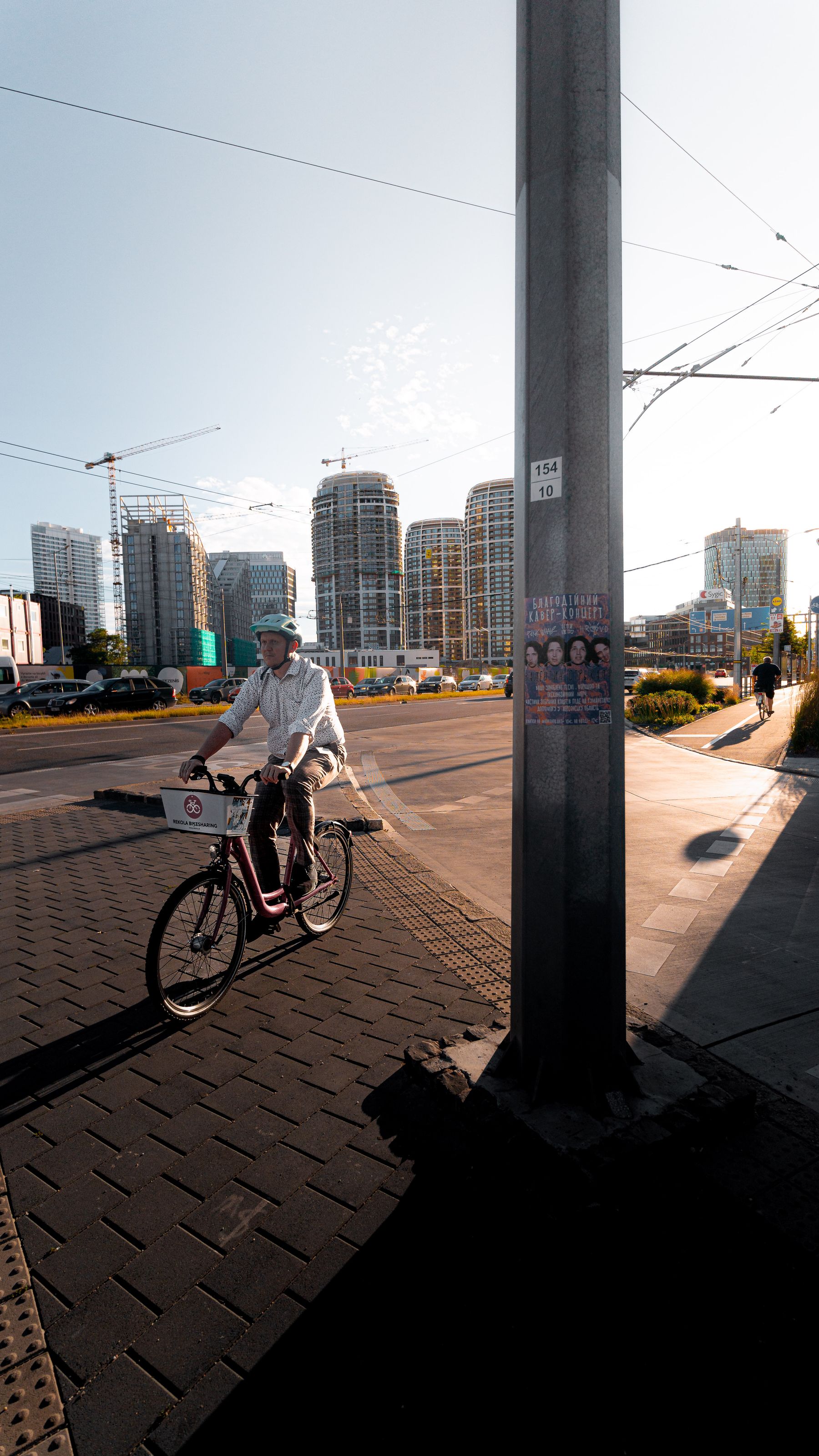
The Bicycle / Fit for Purpose
Comfort and practicality matter more than choosing a bike by category alone.
Your route, distance, terrain, carrying needs and storage situation should influence the bicycle you use. A short flat commute can demand something very different from a longer route with hills, rough pavement or a combination of cycling and public transport.
03 / Choose the Route, Not Just the Destination
The smartest route may not be the shortest line across the city.
A slightly longer journey using quieter streets, suitable cycling infrastructure or a surface you prefer can sometimes create a much better everyday ride. When planning a new route, look beyond distance alone.
Consider intersections, traffic patterns, road quality, lighting, hills and places where the route becomes uncomfortable or difficult to read. A route that feels predictable is easier to repeat confidently.
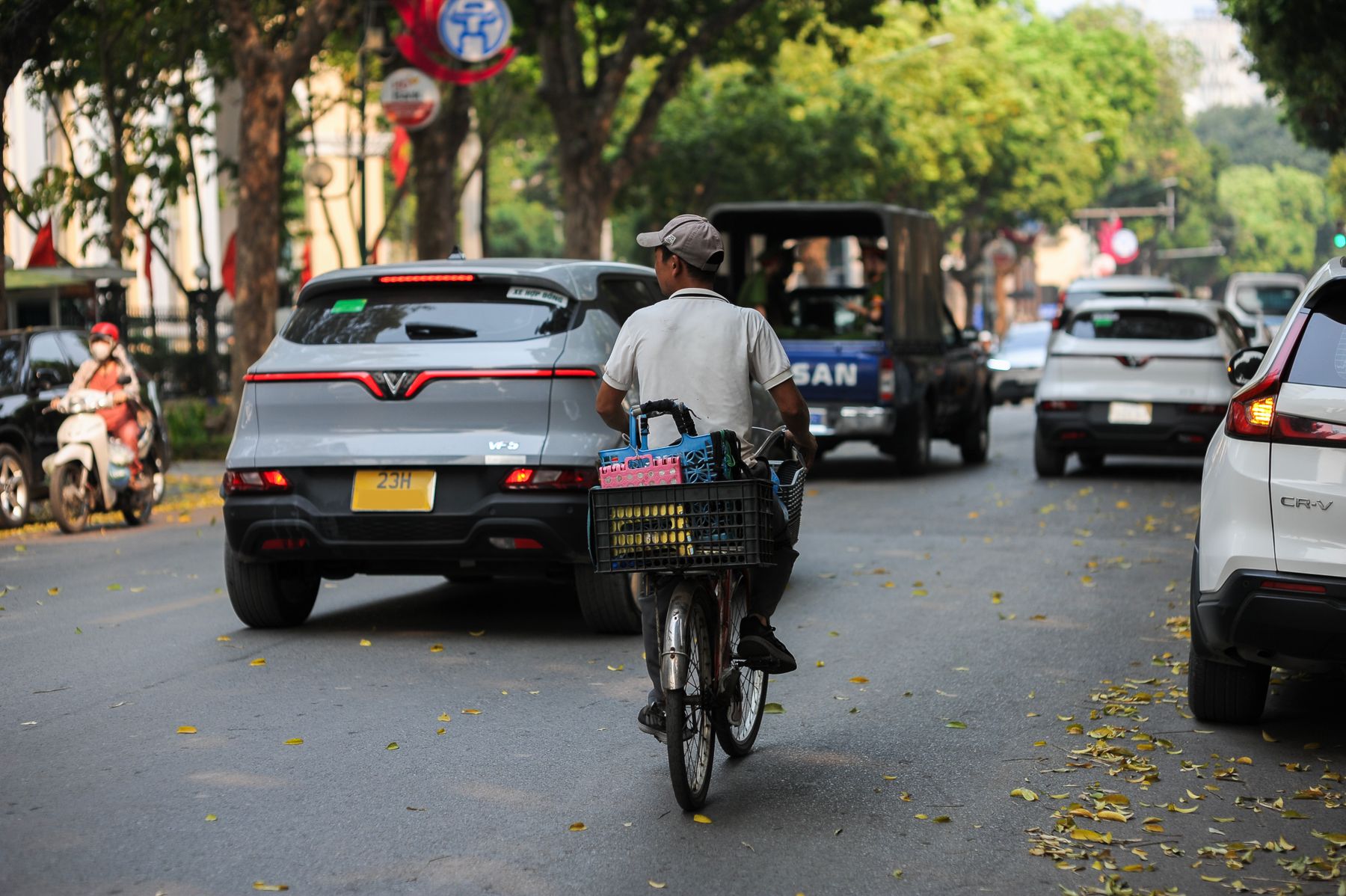
Safety works best as a system of equipment, awareness and predictable decisions.
Make being seen part of every setup.
Keep suitable front and rear lights available for low-light conditions and situations where visibility is reduced. Position them so bags, clothing or other equipment do not block them.
Look further ahead than the wheel in front of you.
Scan for turning vehicles, pedestrians, opening doors, changing signals, surface damage and other situations that may require an early response. More awareness gives you more time to make smooth decisions.
Make your intentions easier to understand.
Follow applicable traffic rules, signal appropriately and avoid unnecessary sudden changes in direction. Predictable movement can help other road users understand what you are doing.
Use protective gear appropriate to your ride.
Choose a properly fitting bicycle helmet and other protective or visibility equipment appropriate to your route, conditions and applicable local requirements. Replace damaged equipment when necessary.
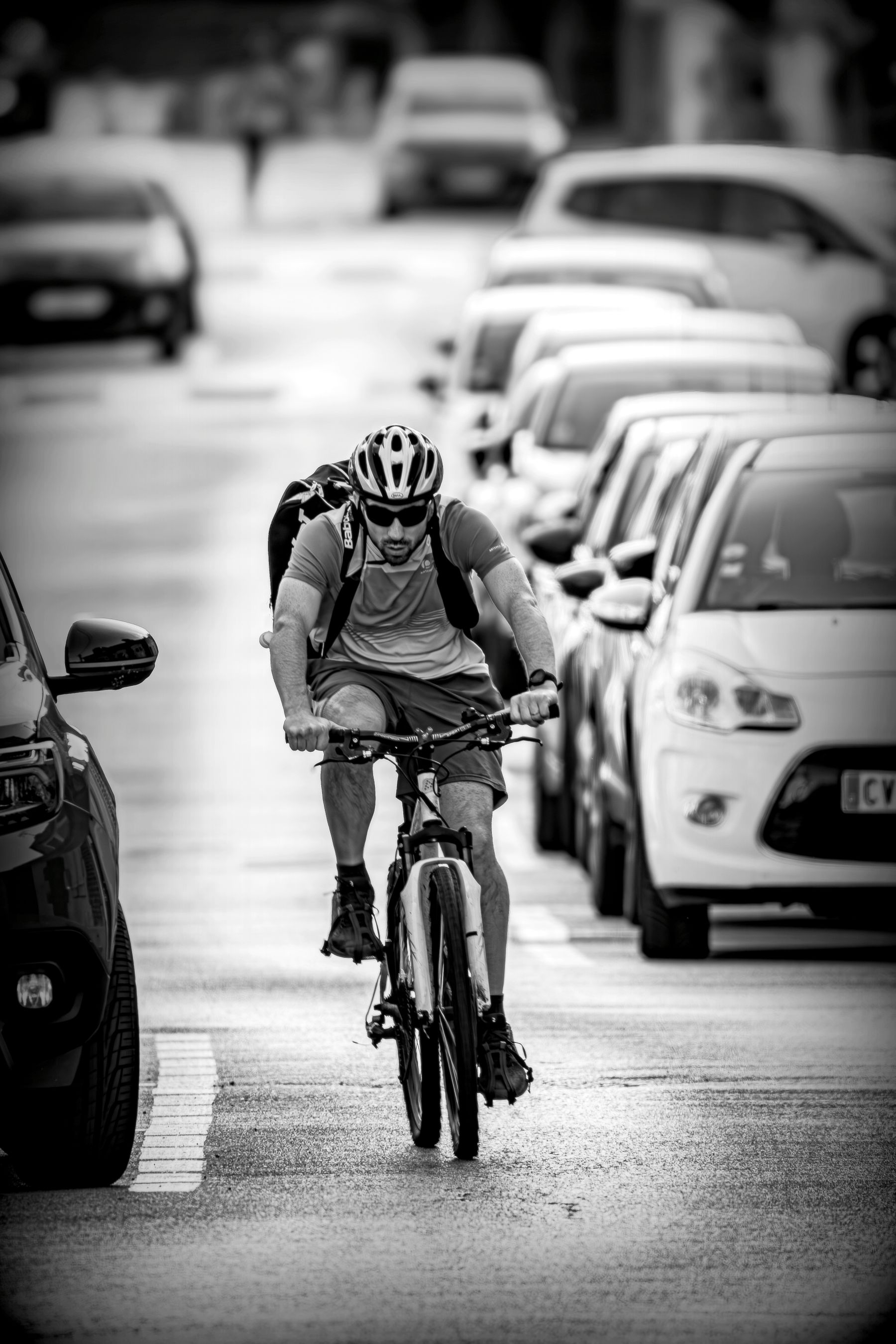
05 / Carry Without Compromise
Good storage can change how useful your bicycle becomes.
The moment a bicycle becomes part of everyday life, carrying matters. A laptop, groceries, tools, clothing, water and other daily items all need somewhere sensible to go.
Choose storage around the load rather than buying the largest bag available. The goal is to carry what you need securely without creating unnecessary bulk or interfering with normal control of the bicycle.
Small decisions can improve the ride more than unnecessary complexity.
Make tomorrow's ride easier tonight.
Charge lights, check the weather, organize what you need to carry and address obvious bicycle issues before the morning. Removing small delays makes riding easier to choose consistently.
Give frequently used equipment a permanent place.
Keep your lock, repair kit, lights and other essentials organized so you do not have to rebuild your setup every time you ride.
Let conditions change the plan.
Traffic, weather and road conditions are not fixed. Adjust your route, pace or transportation choice when the situation calls for it rather than forcing every ride to happen exactly as planned.
07 / Keep the Bicycle Ready
A dependable commute begins with a bicycle that is ready before you need it.
Regular maintenance is one of the simplest ways to improve everyday cycling. You do not need to become a professional mechanic, but learning to notice changes in the bicycle can help you address small problems before they interfere with a journey.
For adjustments or repairs beyond your experience, use the bicycle manufacturer's guidance or seek help from a qualified mechanic.
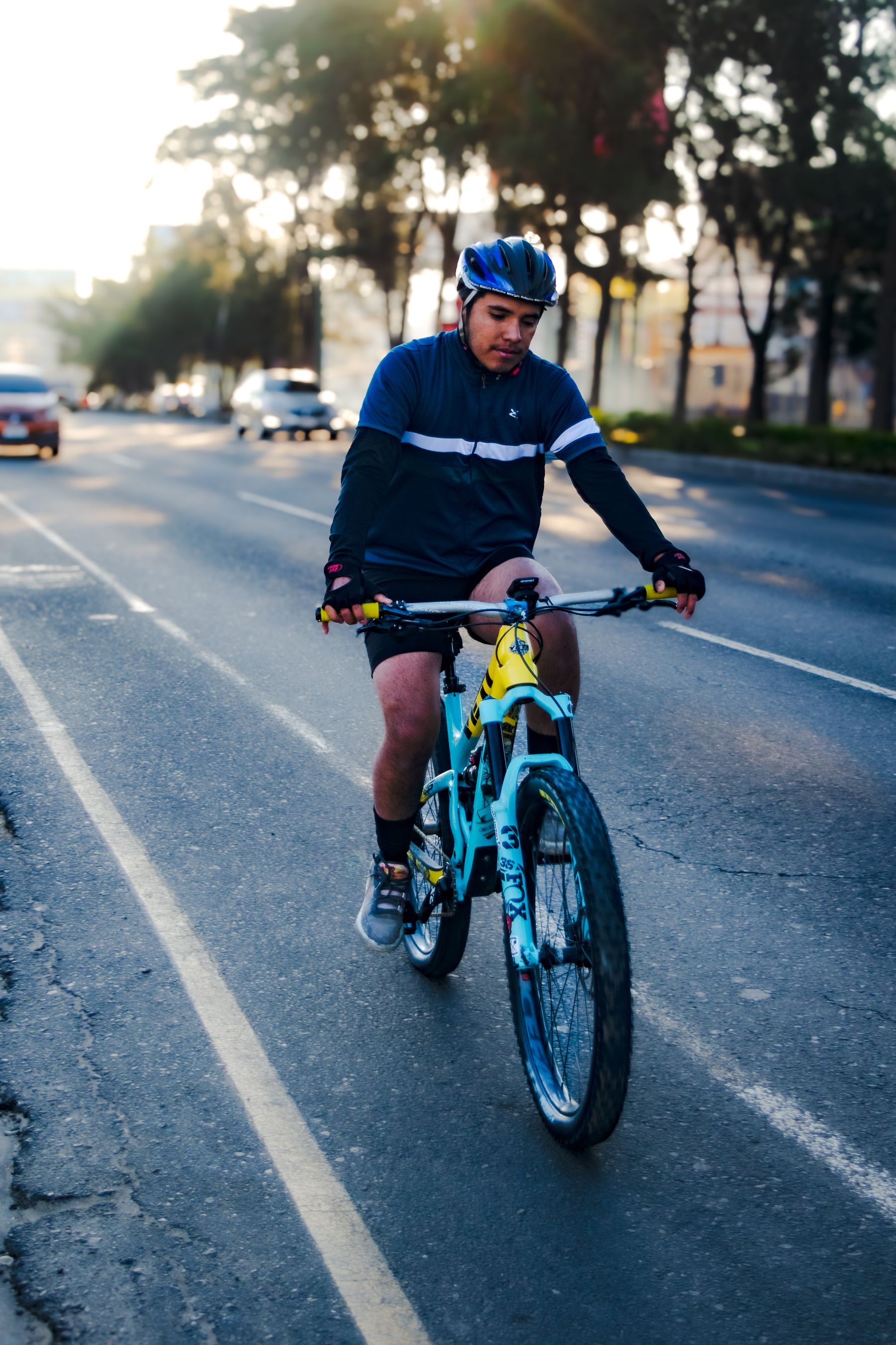
Ride the conditions you have, not the conditions you expected.
Weather and road surfaces can change braking, visibility, comfort and grip. Build enough flexibility into your setup and routine that a change in conditions leads to an adjustment rather than a surprise.
Rain
Expect reduced grip on some surfaces, allow additional braking space and use suitable lighting when visibility drops.
Heat
Plan hydration and clothing around the length and intensity of the ride, and adapt your pace to the conditions.
Low Light
Keep dependable front and rear lighting available and make sure it remains visible around bags and clothing.
Poor Roads
Scan ahead for potholes, loose debris and changing surfaces so you have time to respond smoothly.
08 / The Everyday Check
Before you roll into the city, make sure the essentials are working with you.
Smarter urban cycling is built one dependable ride at a time.
Better city riding does not come from carrying every accessory or chasing a perfect setup. It comes from understanding your journeys and removing the small problems that make those journeys harder than they need to be.
Choose a bicycle that suits your life. Learn your routes. Stay visible. Carry intelligently. Maintain the essentials. Adapt to the conditions around you. When those pieces begin working together, cycling becomes more than a way to cross the city—it becomes a practical, confident and enjoyable part of everyday life.